top of page

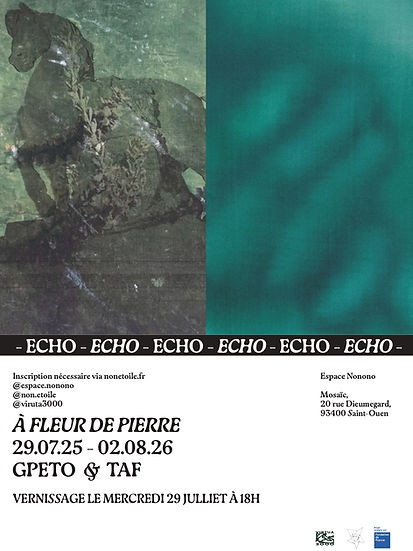
À FLEUR DE PIERRE
A city is never experienced in its entirety. It is assembled through fragments, the places we return to, the objects that catch our attention, the images we collect, the monuments we stop noticing, and the stories we choose to remember.
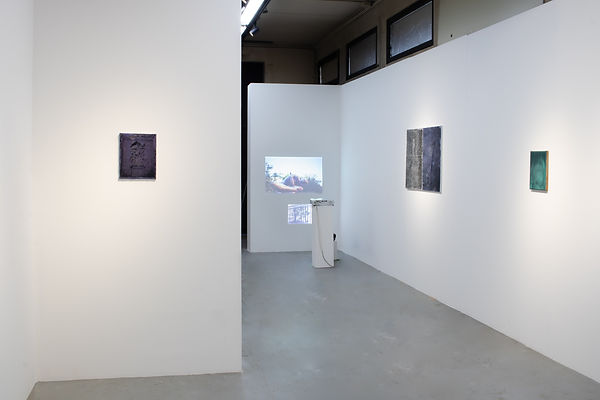
During their one-month residency in Paris, Taf and Gpeto gradually constructed their own personal cartographies of the city. Rather than seeking to document Paris, they allowed themselves to be guided by it, following monuments, public sculptures, fountains, flea markets and overlooked urban details that slowly became the material from which their works emerged.
If James Joyce’s Ulysses reconstructs the city of Dublin through the ordinary trajectories of its protagonists, the Paris that unfolds here is likewise built through movement, encounters and observation. It is neither exhaustive nor objective, but a city filtered through two distinct sensibilities.
Again and again, both artists return to monuments, public sculptures and fountains. Standing in plain sight, these forms have become so deeply woven into the fabric of the city that they often escape our attention. Familiarity has absorbed them into the urban landscape: they remain visible, yet are rarely looked at.
In The Modern Cult of Monuments (1903), the Austrian art historian Aloïs Riegl argued that monuments do not possess a fixed meaning. Their significance evolves according to the ways each generation looks at them, remembers them or forgets them. More than a century later, the same question remains relevant: what do monuments tell us today?
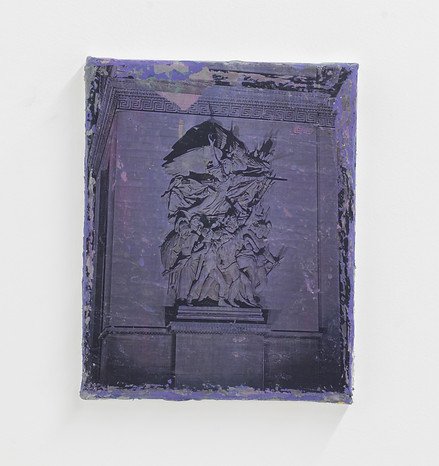
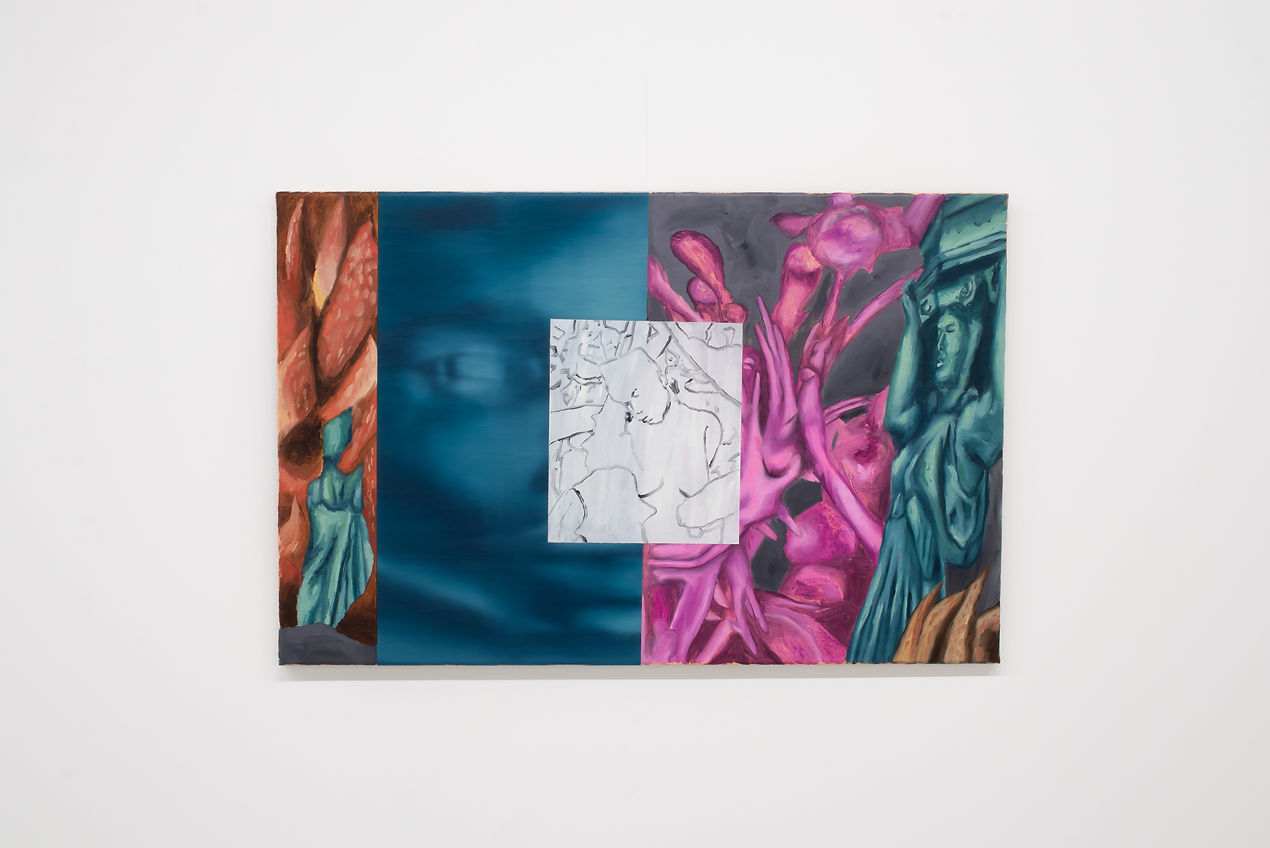
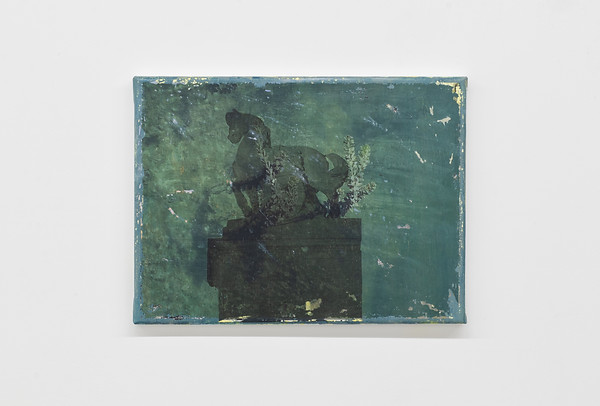
Rather than treating them as stable symbols, Taf and Gpeto approach monuments as living images. They become points of departure, forms to be photographed, scanned, transferred, and reassembled.
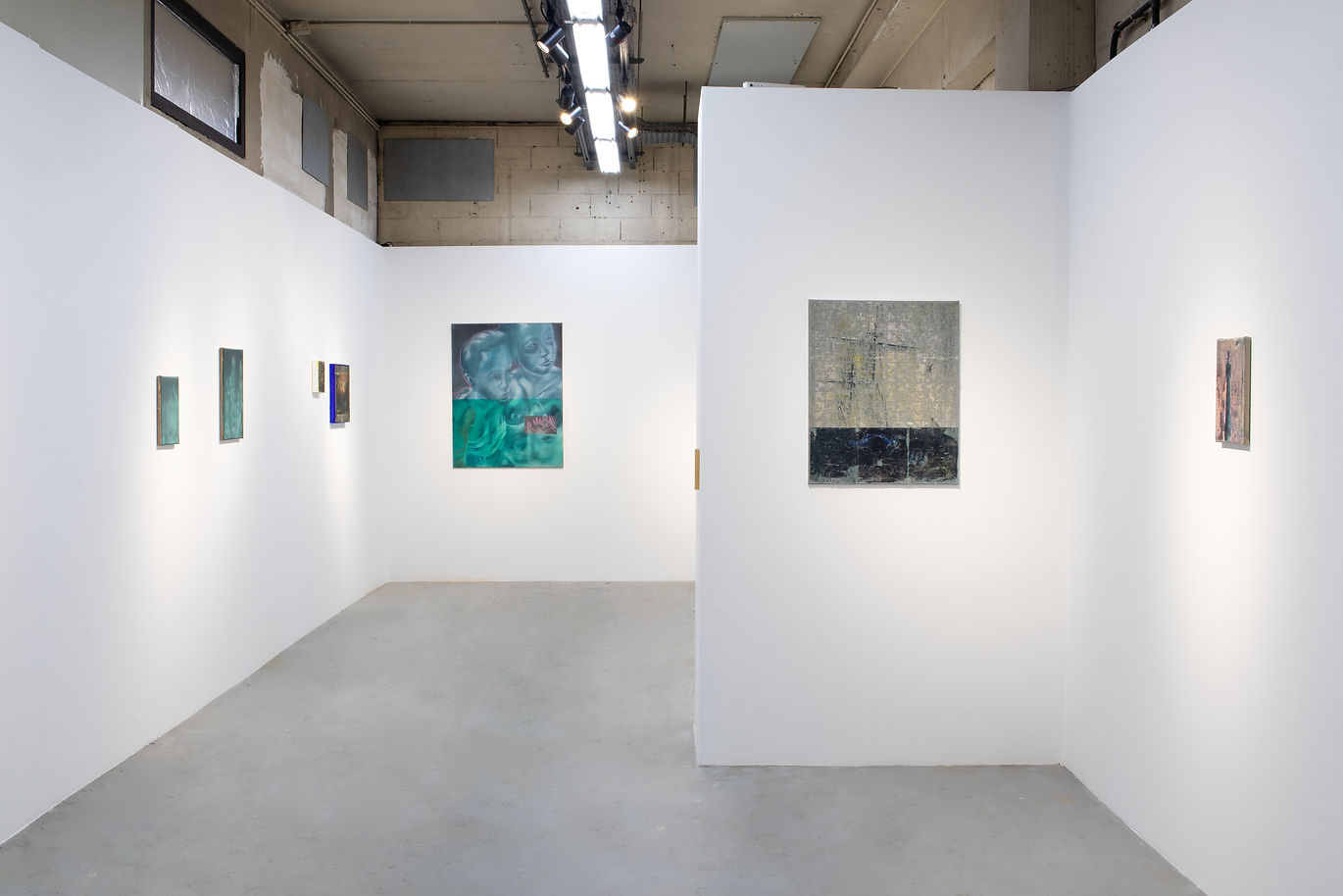
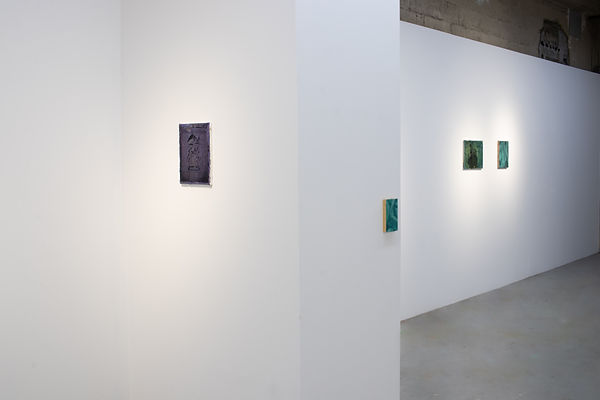
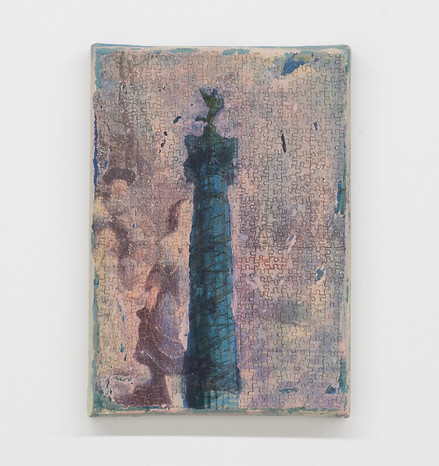
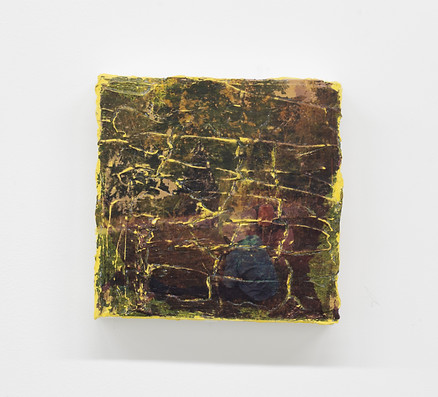
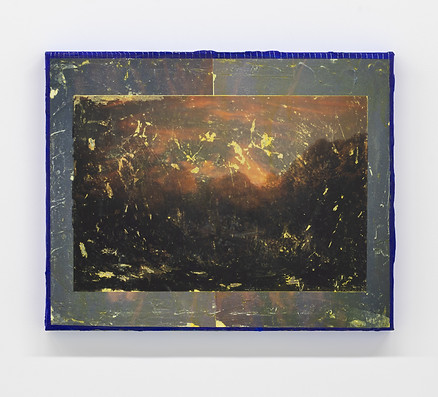
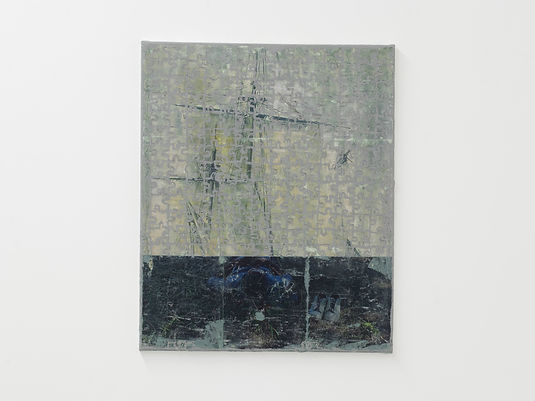
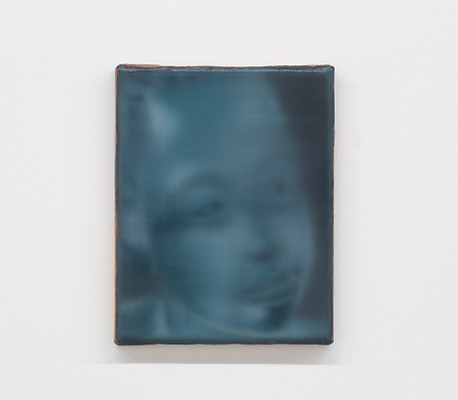
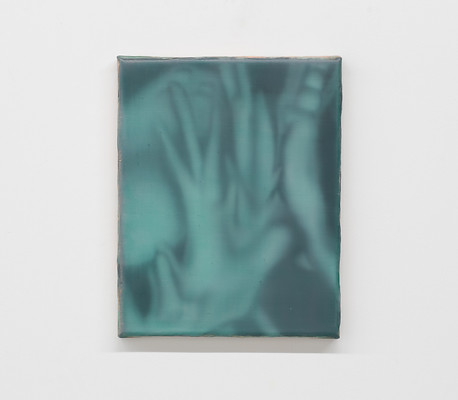
For Taf, monuments become places where official histories encounter quieter, often overlooked narratives. Instead of reaffirming those carved into stone, he explores what happens when they are traversed by time, photography, painting and contemporary experience. Through image transfers, modelling paste and successive layers of paint, memory itself becomes a material – accumulated, transformed and rewritten.
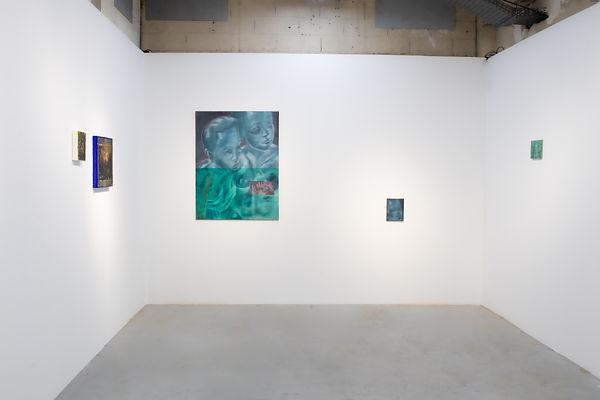
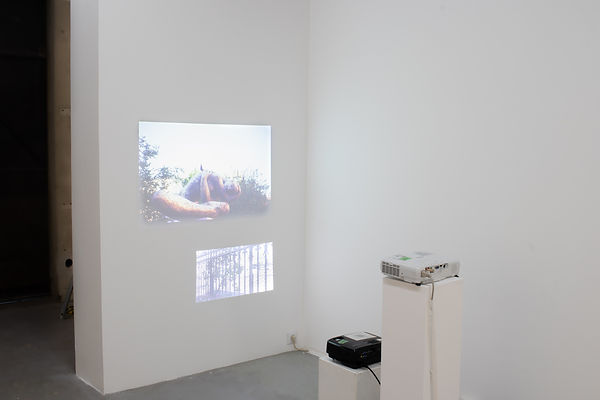
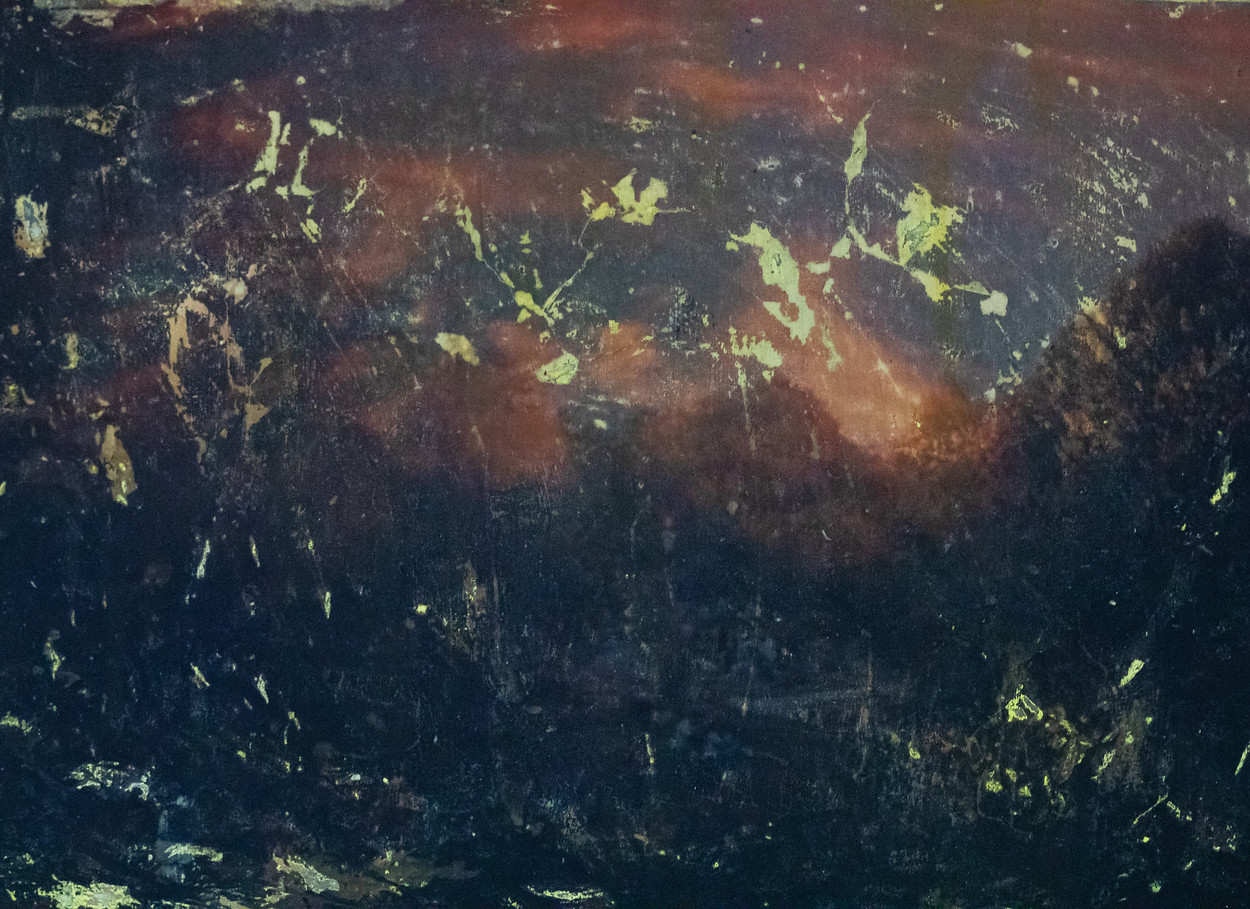
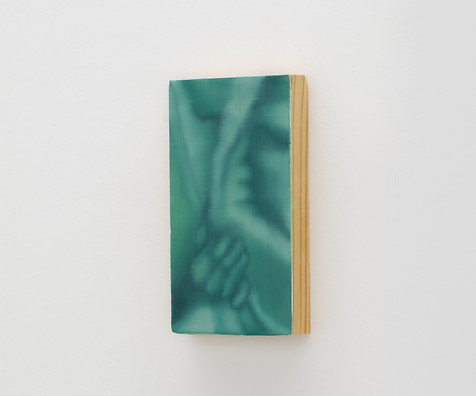
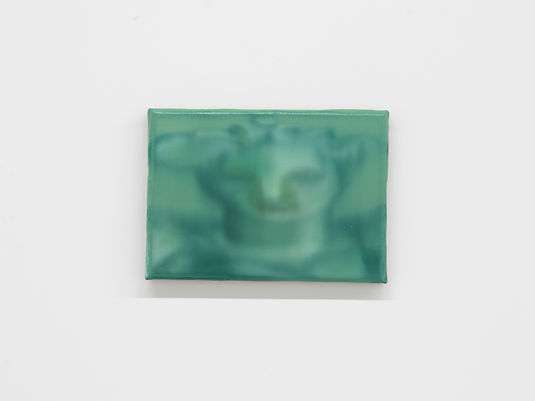
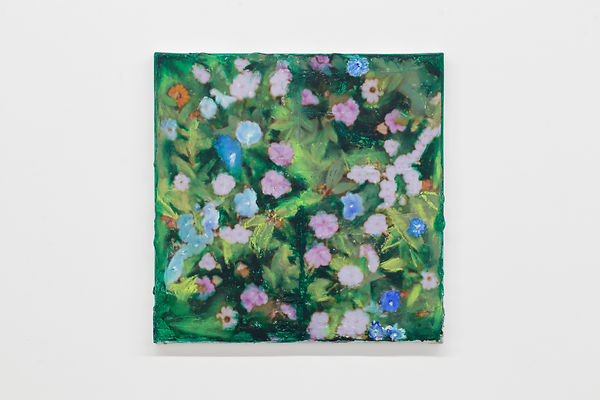
Gpeto also begins creating with what already exists. Public sculptures, fountains, architectural fragments and vegetation are translated into new landscapes through photography, digital scanning, 3D modelling and painting. Rather than reproducing the city, his works reconstruct it through successive transformations, where physical and digital realities continuously overlap.
Although their visual languages differ, both artists share an understanding of the image as something constructed rather than captured. Photography is never an end point but a beginning. Images are layered, transferred, blurred and transformed, each stage carrying the trace of the previous one.
The exhibition brings these two approaches into dialogue. It does not present a portrait of Paris, but two ways of inhabiting and reconstructing it. A common territory gives rise to two distinct personal cartographies, where monuments become living surfaces and the city reveals itself as an accumulation of histories, images and memories.
The title À fleur de pierre refers to what emerges at the surface of the city. Monuments, sculptures and fountains are not inert remains of the past, but places where histories continue to accumulate and meanings continue to shift. Like the artists’ own works, they are built through layers, where every transformation preserves the trace of what came before.
Sofia Lurati




bottom of page